


Introduction
Plant-based milk substitutes have gone from being sold just in specialty health stores to being used in kitchens all over the world. There are a lot of different kinds of milk to choose from these days, but oat milk and almond milk are two of the most popular. The argument over oat milk vs. almond milk is no longer just about taste. It’s also about health, nutrition, the environment, and how useful they are in everyday life. When people stop eating dairy, they often have to choose between these two options and question which one is better for them. To really understand the distinctions, you need to go beyond the labels and marketing promises and look at how each type of milk is created, how it works in recipes, and how it might help you reach your nutritional objectives.
What is Oat Milk and How is it Made
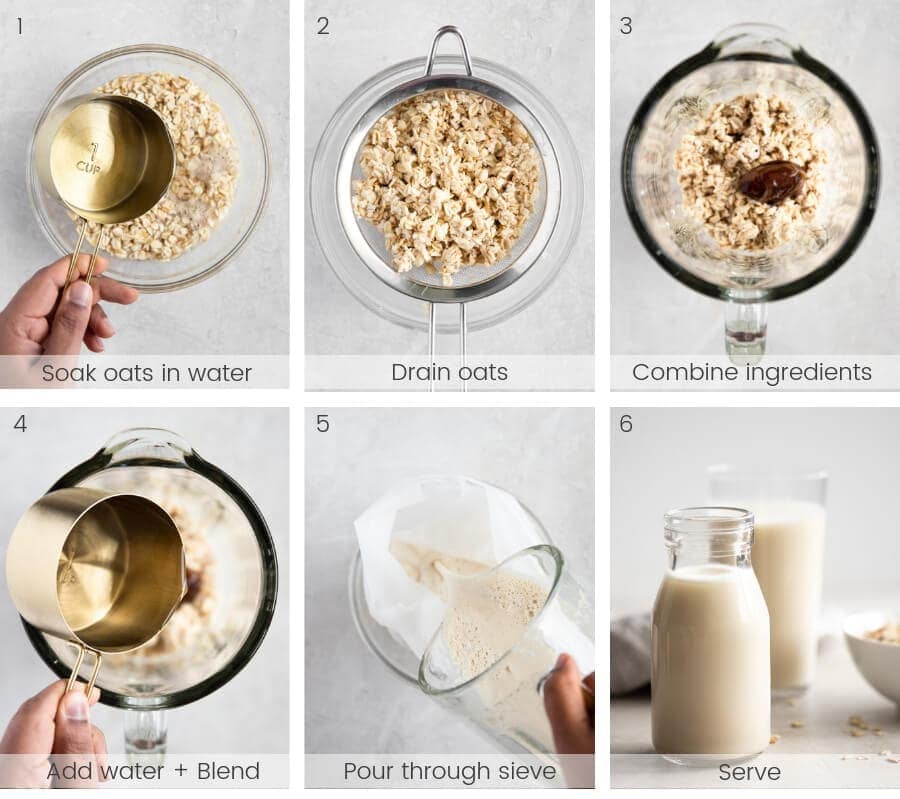
Oat milk is a drink made from plants. It is made by mixing whole oats with water and then filtering the mixture to get rid of the solids. The liquid that comes out of it has a creamy texture and a subtle sweetness that comes from the oats. Enzymes are often added during processing to break down oat starches into simple sugars. This makes the oats taste sweeter without adding sugar. To make them more like dairy milk in terms of nutrition, many commercial versions include added vitamins and minerals like calcium, vitamin D, and vitamin B12. People like oat milk because it feels smooth in the mouth and doesn’t overshadow other flavors when used in coffee, tea, or cooking.
What is Almond Milk and How Do you Make it
To make almond milk, you soak almonds in water, puree them, and then drain out the pulp. The drink tastes light and a little nutty, and people from many civilizations have been drinking it for hundreds of years. Almond milk made at home the old-fashioned way has a modest amount of almonds and a lot of water, which makes it low in calories. Store-bought versions often include added vitamins and minerals, and they may also have stabilizers to make the texture better. People who want a lighter drink or who want to cut down on calories without missing out on the experience of using milk substitutes frequently choose almond milk.
Comparing Nutritional Profiles
Nutrition is one of the first things people look at when they compare oat milk to almond milk. Oat milk usually has more carbs because oats are naturally high in complex carbs. This makes oat milk more full and energizing, which is good for people who are active or just want a drink that fills them up. On the other hand, almond milk has a lot fewer carbs and calories, which makes it appealing to people who are trying to lose weight or keep their calories in check. Both have a moderate amount of protein, however oat milk normally has a little more than almond milk. The level of fat is also different. Almond milk has modest amounts of beneficial fats from almonds, while oat milk usually has less fat unless oils are added to make it creamier.
Both Choices have Vitamins and Minerals
To make oat milk and almond milk more nutritious, they are often fortified. Calcium fortification is widespread since plant-based milks don’t naturally have as much calcium as dairy milk. People often add vitamin D and vitamin B12 to their diets to help their bones and energy metabolism. Beta glucans, which are soluble fibers that are good for heart health, are naturally found in oat milk. Almond milk has modest amounts of vitamin E, which is an antioxidant that helps the skin and the immune system. When comparing oat milk and almond milk, the levels of added nutrients might be very different between brands. This is why it’s crucial for people with special nutrient needs to check the labels.
Different Tastes and Textures
:max_bytes(150000):strip_icc()/Oatmilk-Taste-Test-FT-BLOG0825-Cups-aef9426eeb764037b4245654ec24d48d.jpg)
The taste of oat milk and almond milk is a big factor in choosing between the two. Many individuals find oat milk’s naturally sweet and grainy taste soothing and familiar. People like it in coffee and lattes because it has a creamy texture that is quite similar to dairy milk. Almond milk has a lighter mouthfeel and a nutty taste that some people find refreshing while others find watery. Almond milk that isn’t sweetened can taste very bland, while sweetened variants bring out the almond flavor. People often choose based on whether they want rich drinks or lighter ones.
How Well You do in Coffee and Tea
People who adore coffee often have strong feelings regarding oat milk and almond milk. People love oat milk because it froths nicely and mixes gently into hot drinks without separating. The richness of it goes well with espresso and balances off the harshness. Almond milk can separate in hot drinks, especially if it wasn’t made for baristas. Because it has a lighter body, the tastes of the coffee may come through more strongly. Oat milk is frequently the best choice for people who drink a lot of coffee every day because it makes the home coffee experience more like a café.
Uses in Cooking and Baking
Oat milk works well in cooking and baking since it is thicker and has a little sweetness. It works well in sauces, soups, and baked items that need a creamy texture. Almond milk works well in dishes that are lighter or when you want a hint of nutty taste. Almond milk can make baked goods a little drier because it doesn’t have a lot of fat or protein. When choosing between oat milk vs almond milk in the kitchen, the recipe and the texture you want in the end are sometimes more important than nutrition alone.
How Well it Digests and Allergies
Another essential thing to think about when comparing oat milk vs almond milk is how they affect digestion. People who can’t eat dairy can drink oat milk because it doesn’t have any lactose in it. It does, however, have gluten in it unless it says “gluten free” on the label, which can be a problem for people with celiac disease. Almond milk is also gluten-free and lactose-free, so it can be used by people with a wider range of dietary needs. People who are allergic to nuts should be careful with almond milk because even little amounts might create problems. Oat milk is a safer choice for folks who don’t eat nuts because it doesn’t have any nuts in it.
Good for Different Diets
Depending on your diet, oat milk vs almond milk may be the better choice. People who need extra energy, such athletes or people on plant-based diets that need to eat a lot of calories, frequently choose oat milk. People who follow a keto or low-carb diet like almond milk because it has very few carbs. Both choices are good for vegans and vegetarians. When comparing oat milk with almond milk, the optimal decision depends on your own health goals, not a general rule.
Impact on the Environment and Sustainability

Sustainability is now a big part of picking food. Oat milk usually has a smaller impact on the environment than almond milk because oats don’t need as much water to thrive. Growing almonds uses a lot of water, which is a problem in areas where water is already scarce. Growing oats also tends to release less greenhouse gas. People who care about the environment generally choose oat milk vs almond milk because it is made in a way that is better for the environment.
Things to Think About: Availability and Cost
Availability and pricing can affect how much you eat every day. Almond milk has been around longer and is easy to find in many places, usually at good pricing. Oat milk is becoming more and more popular, although it may still cost a little more depending on where you live and what brand you buy. You can make both at home, but oat milk is usually easier and cheaper to produce because oats are cheap and easy to get. When deciding between oat milk and almond milk, taste and nutrition aren’t the only things to think about. Price and availability are also crucial.
How Long it Lasts and How to Store It
The two choices have slightly different shelf lives. When unopened, oat milk vs almond milk that are shelf-stable can last for months. Both need to be kept in the fridge when they are opened and should be eaten within a week. Almond milk may go bad a little faster because it has less carbs, which means it doesn’t last as long on its own. After opening, oat milk tends to stay the same for longer. For families that don’t drink plant-based milk every day, these minor variations can make a big difference.
Effect on Blood Sugar Levels
A key point of comparison between oat milk vs almond milk is how they affect blood sugar. The glycemic response is stronger in sweetened oat milk because it has more carbs. This might not be the best choice for persons with diabetes or who are sensitive to insulin. Almond milk doesn’t change blood sugar much because it doesn’t have many carbs. Choosing unsweetened versions of either option can help keep blood sugar levels more stable and make it easier to control.
For Kids and Families

When families choose a plant-based milk for their kids, they are most concerned about how nutritious it is. Oat milk has more calories and carbs, which can help you grow and provide you energy. Almond milk is generally too low in calories and protein to be the main milk replacement for young kids unless it is adequately fortified and eaten with a balanced diet. Parents often choose oat milk for everyday use and almond milk for special occasions when it comes to the oat milk vs. almond milk debate.
Everyday Use and Flavor Combinations
Because it is not too sweet, oat milk goes well with cereals, smoothies, coffee, and savory foods. Almond milk is great in smoothies, desserts, and light breakfasts since its nutty flavor can make the food taste better. Oat milk is a common choice for families that use plant-based milk a lot because it can be used in so many ways. People who like diversity and lighter flavors still like almond milk.
Trends in Culture and the Market
Recent market trends reveal that oat milk has grown quickly, especially in cities and cafés. Almond milk is still very popular because it has been around for a long time and people know about it. The debate over oat milk vs almond milk is part of a bigger trend in which people are more interested in functional nutrition and sustainability than merely monitoring calories.
Choosing the Right Thing for You
Ultimately, the choice between oat milk vs almond milk is up to you and depends on your taste, health goals, lifestyle, and values. Some individuals even keep both kinds of milk at home, using oat milk for coffee and cooking and almond milk for smoothies or light drinks. Knowing the genuine differences helps people make smart choices instead of just following trends. When you think about your own needs and tastes, the choice between oat milk and almond milk gets easy.
Conclusion
When you compare oat milk vs almond milk, you can see that neither is always better. Each one has its own benefits and weaknesses that make it better for certain lifestyles and diets. Almond milk is light, low in calories, and has a faint nutty flavor. Oat milk is creamy, energizing, and good for the environment. Consumers can confidently choose the option that fits best into their daily schedule by taking into account nutrition, taste, environmental effect, and their own health goals.
Read More:- Is Almond Milk Good for You: Benefits, Risks, and Nutritional Facts