


Introduction
Many families that want a dairy-free, plant-based option have made almond milk a regular part of their diet. People use it for smoothies, baking, and even coffee because it has a creamy texture, a moderate taste, and can be used in many ways. Making almond milk at home is not only cheaper, but it also lets you choose the ingredients and make sure they are fresh. Store-bought almond milk has preservatives, artificial flavors, and added sugars in it. Homemade almond milk doesn’t have any of these things, so it’s a healthier choice for anyone who wants to switch to a plant-based diet or just enjoy a natural drink.
What You Need to Make Almond Milk
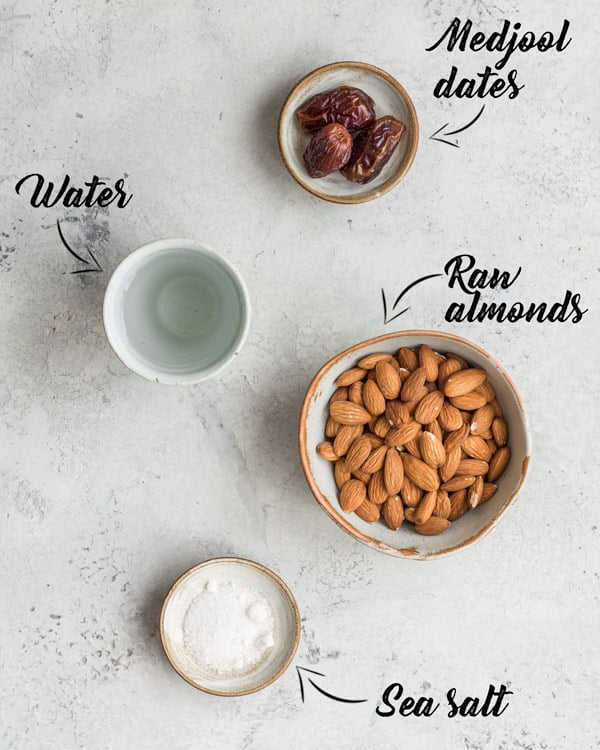
How to make almond milk, you just need two things: raw almonds and water. The milk’s flavor and richness depend on how good the almonds are. A lot of recipes say to soak the almonds in water for a few hours or overnight. This makes the nuts softer and easier to digest. You can add sweeteners like dates, honey, or maple syrup, as well as flavor enhancers like vanilla essence or a small amount of salt. Some people also add cocoa powder or cinnamon to make flavored almond milk, which makes it a great base for various drinks. The first step to learning how to make almond milk is to know what these ingredients are.
Soaking the Nuts
When you learn how to make almond milk, soaking is a very important stage. The stiff skin on raw almonds might make the milk taste a little bitter if it isn’t softened. Soaking almonds in water for 8 to 12 hours, or even overnight, makes them swell and soak up the water. This makes them simpler to mix into a creamy milk. Soaking also helps get rid of some substances that can make it harder for your body to absorb nutrients, which makes the milk healthier. It’s crucial to rinse the almonds well under cool water after soaking to get rid of any leftover soaking water.
Mixing Water and Almonds
You can mix the almonds after they have been soaked and rinsed. The usual ratio is one cup of soaked almonds to four cups of water, although you can change this if you want the milk to be thicker or thinner. Put the almonds in a high-speed blender and pour in some clean, filtered water. Mix on high for 1 to 2 minutes, or until the mixture is smooth and creamy. The blending process breaks down the almonds, letting their natural oils and tastes out. This is what makes homemade almond milk so creamy.
Getting the Almond Milk Out
The almond mixture has a lot of pulp in it after mixing, so it needs to be filtered to make a smooth liquid. For this step, a cheesecloth, nut milk bag, or fine mesh strainer works best. Put the mixed mixture into the strainer over a big bowl and gently squeeze or press it to get as much liquid out as you can. You may use the leftover almond pulp to make other things like almond flour, smoothies, or baked items. how to make almond milk that is silky, smooth, and devoid of grit, you need to know how to strain it correctly.
Adding Flavor and Sweetness to Almond Milk
You can drink the almond milk pure or with flavoring after straining it. Dates, maple syrup, and a little bit of honey are some common natural sweeteners. You may make the flavor even better by adding vanilla essence or a small amount of sea salt. Some people mix in a little coconut oil or cacao powder to make almond milk drinks that taste like dessert. You may make almond milk that tastes just the way you like it by trying out different sweeteners and flavorings. This is a fun and creative process.
How to Make Almond Milk

Almond milk that has just been made goes bad quickly, therefore it should be kept in the fridge in a container that doesn’t let air in. It normally lasts between three and five days, depending on how fresh it is and how it is stored. Always shake the container before using it because things naturally separate. Putting the date on the container can help you keep track of how fresh it is. Homemade almond milk doesn’t have preservatives like store-bought almond milk, so it’s best to drink it right away. Proper storage keeps every glass creamy and fresh, which shows why homemade almond milk is both useful and good for you.
Almond Milk has Health Benefits
Almond milk is good for your heart and good for people who are trying to lose weight because it has few calories and no cholesterol. It doesn’t have any lactose in it, which is good for folks who can’t handle lactose. If you use raw almonds that are high in vitamin E, magnesium, and healthy fats, homemade almond milk keeps more nutrients than many store-bought kinds. Vitamin E is a strong antioxidant that helps keep the skin and immune system healthy. Almond milk can help you stay healthy if you drink it regularly as part of a balanced diet. Learning how to prepare almond milk can make sure you get the most nutrients from the ingredients.
How to Use Almond Milk in Cooking
There are almost no limits to what you can do with almond milk once you know how to create it. You may pour it over cereal or oatmeal, use it in baking, add it to coffee or tea, or mix it into smoothies. You can use it instead of cow’s milk in most recipes. It has a lighter, nutty flavor and is dairy-free. Almond milk produced at home is great for creamy soups, sauces, and desserts because it adds a natural richness without making them heavy. Its many uses make it a useful kitchen staple, especially for people who are trying to eat more plant-based foods.
Things People Do Wrong When Making Almond Milk
A lot of people who are new to making almond milk have trouble with the taste and texture, but these problems are easy to overcome once you know how to do it. If you don’t soak the almonds first, the milk can be gritty, and if you don’t blend it long enough, there may be lumps. But if you blend too much, the milk can get excessively frothy or thin. Another typical mistake is keeping the milk for too long, which can make it go bad. Anyone can create smooth, tasty almond milk every time if they know how to soak, blend, and drain it correctly.
Different kinds of almond milk
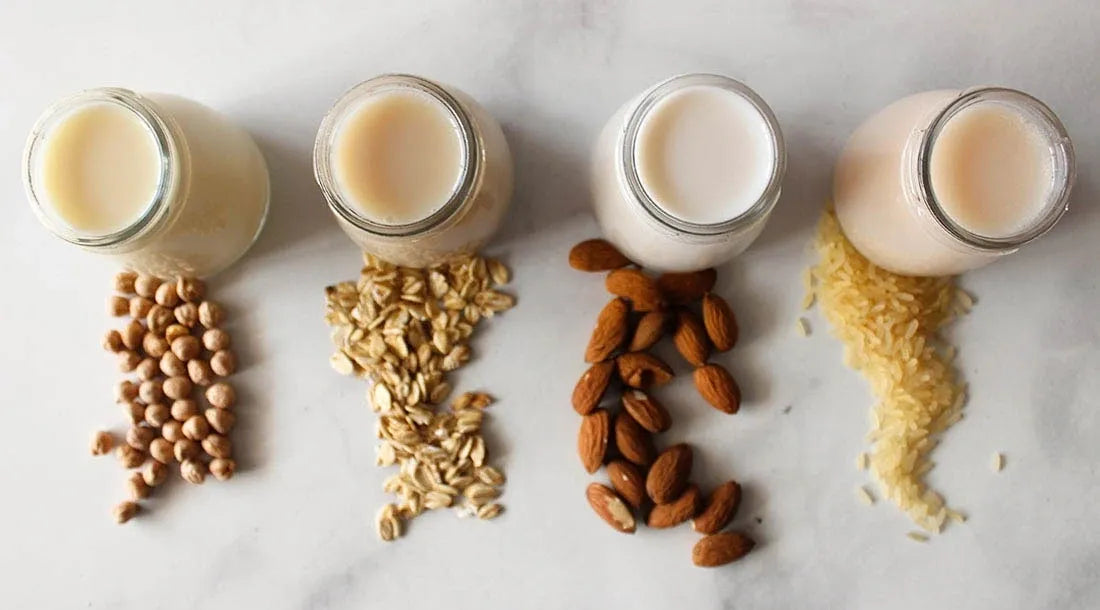
Once you know how to make almond milk, you can make a lot of different kinds. For a mixed nut milk, some people add almonds with other nuts like cashews or hazelnuts. Some people add chocolate, turmeric, or matcha to their drinks to make them taste different. There are both sweetened and unsweetened varieties to meet varied dietary demands and tastes. You can also change how thick it is by adding more or less water while blending. This is useful if you want a creamy milk for desserts or a lighter milk for sipping. These changes let you be creative while keeping the fundamental benefits of making your own almond milk.
Almond Milk’s Good Effects on the Environment
Making your own almond milk is better for the environment as well. Making your own milk cuts down on the packaging and shipping that comes with buying milk at the store. Almonds need water to develop, but producing almond milk at home means you don’t have to deal with the extra processing and additives that come with store-bought almond milk. If you want to make your almond milk even more environmentally friendly, you can choose almonds that come from your area or are organic. Making your own almond milk is good for the environment and tastes great.
How to Make the Best Almond Milk
Always use fresh, high-quality almonds to make the greatest almond milk. Soak them long enough to soften, mix them well, and then sift them gently to get creamy milk. Try with different tastes, but don’t add too much sweetness right away. Keep in clean, sealed containers and eat within a few days. If you want to cut down on waste, save the nut pulp for baking or cooking. If you follow these instructions, every batch of homemade almond milk will be creamy, tasty, and healthy, making it a good choice for your regular diet.
Conclusion
Making almond milk at home is easy and satisfying. You get fresh, healthy milk that can be used in a lot of different ways. You can regulate the ingredients and make the milk taste how you want it at every step, from soaking the almonds to blending, filtering, and flavoring. Almond milk prepared at home is not only a healthy alternative to dairy, but it is also flexible, eco-friendly, and cheap. Knowing how to make almond milk gives you the power to enjoy a tasty and healthy drink that fits your tastes, whether you’re drinking it, cooking with it, or baking with it.
Homemade almond milk is the perfect mix of nutrition, taste, and freshness. It’s a must-have in the kitchen for anyone who wants to live a plant-based lifestyle or just wants a healthier alternative to regular milk. If you are patient, practice, and creative, you may learn how to make almond milk and enjoy the satisfaction of making a drink that is both healthy and tasty.
Read More:- Silk Almond Milk Benefits, Uses, and Nutritional Insights for Health