

:max_bytes(150000):strip_icc()/AR-15401-Easy-Chili-ddmfs-2x1-a2501b6bef0f48b4b41dcdd4a090efad.jpg?w=1500&resize=1500,750&ssl=1 "Chili Recipe Guide for Rich Flavor Comfort Food Lovers")
:max_bytes(150000):strip_icc()/AR-15401-Easy-Chili-ddmfs-2x1-a2501b6bef0f48b4b41dcdd4a090efad.jpg?w=1200&resize=1200,0&ssl=1&description=Discover a complete chili recipe guide covering history, ingredients, cooking methods, variations, storage tips, and serving ideas for perfect homemade comfort food.)
Introduction
A warm bowl of chili is a special comfort dish around the world because it has deep flavors, is cooked slowly, and makes you feel like you’re eating home-cooked food. This article will look at every part of a popular chili recipe, from its cultural roots to modern versions that fit varied tastes and ways of living. Chili is more than simply food; it’s an experience that comes from spices, patience, and your own ingenuity. Chili has changed into many different forms in different homes and areas, each one using local ingredients and cooking methods. This book will show you how chili came to be, what gives it its flavor, and how careful preparation can turn simple ingredients into a filling dish that tastes both substantial and familiar.
Historical Roots and Cultural Change

People frequently think that chili came from old-fashioned cooking methods where simple ingredients were cooked for a lengthy time to provide healthy meals. Early versions were made out of need, using meats, spices, and peppers that were already on hand to keep warm and fed. Over time, chili became a symbol of pride for a region, family meals, and community events. The chili recipe has changed over time because of migration, trade, and cultural interchange, especially as spices and peppers moved from one continent to another. What started as a useful dish turned into a culinary emblem, with each generation changing it to suit their own preferences but keeping its comforting essence. This long history is why chili still inspires innovation while staying true to its roots.
Getting to Know the Main Ingredients
A precise mix of ingredients that provide depth and richness is what makes chili so good. The base usually starts with fragrant vegetables that add flavor when cooked slowly, and then proteins that add body and flavor. Spices are quite important because they add warmth and depth without making the food too spicy. The real success of a chili recipe depends on how these ingredients work together during cooking, which lets the flavors grow over time. Broth or natural liquids from the components help everything come together into a dish. Paying attention to the quality and amount of each component makes sure that the final product seems balanced instead of heavy or confusing.
How Important it is to Develop Spices and Flavors
The spices are what make chili more than just a simple stew; they make it a vibrant and distinctive dish. Their job is not just to add heat; they also add layers of flavor that come out with each bite. When you let spices bloom slowly while you cook, they produce fragrant oils that make the meal taste better overall. A well-thought-out chili recipe respects this process by giving the flavors time to blend instead of rushing the meal. The slow growth of spice gives the food a rounded taste that is both comfortable and strong. This shows that choosing the right ingredients is just as crucial as being patient.
How to Cook
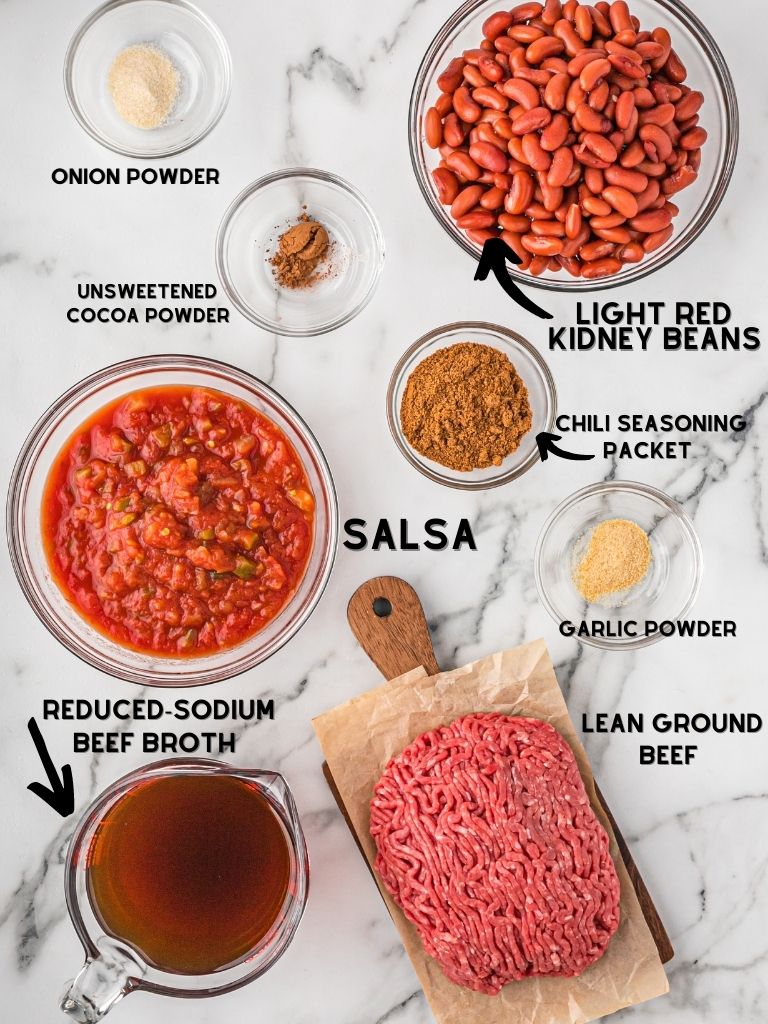
How you cook chili is just as important as what you use to make it. Slow boiling makes proteins soft and helps tastes blend together into a single whole. Gentle heat keeps everything from getting bitter and maintains the textures even during cooking. The key to a successful chili recipe is cooking it carefully and paying attention to it regularly, whether you make it on the burner or in another way. Stirring every so often makes sure that the heat is evenly distributed and keeps things from sticking. Tasting along the way lets you make changes that improve the final result. These methods show how careful planning may turn a meal into something quite delicious.
Different Styles and Interpretations in Different Areas
Chili is a food that may be made in many different ways because different regions have different tastes. Some varieties rely on strong spices, while others focus on a smoother, richer texture. These versions show how you can change a chili recipe without changing what it is at its heart. Cultural tastes affect the choice of ingredients and cooking methods, which leads to unique but recognized variants. Chili is still popular in many cuisines because it can easily adapt to local tastes while still being comforting. Cooks are more likely to try new things and make their own interpretations of these regional styles.
Trends in Home Cooking and Modern Adaptations
Chili is still altering in modern kitchens as people’s tastes and cooking habits change. Home cooks often change conventional methods to fit their hectic lives while still trying to get a lot of flavor. A modern chili recipe could use lighter ingredients, different proteins, or fewer stages without losing flavor. These changes show that chili is still relevant and easy to make, even as people’s lives change. The focus focuses on comfort and food, showing that old and new ideas can work together in the same pot.
Serving, Enjoying, and Adding a Personal Touch
When you serve chili, it’s not only about how it looks; it’s also about making people feel good and comfortable. The smell, warmth, and feel all add to the experience. A good chili recipe lets chefs make it their own by changing the seasoning and thickness to suit their tastes. This versatility makes chili taste the same but different every time you make it. Chili is known for being a social and welcoming food that works for both informal dinners and special events. Sharing it typically draws people together.
Conclusion: Why Chili Lasts
Chili is still popular because it is both simple and complex. It is a classic favorite because it can change to fit different cultures, tastes, and generations. A well-thought-out chili recipe shows how patience, good ingredients, and precise seasoning can turn simple things into something special. Chili will always be a cuisine that represents comfort, inventiveness, and tradition. It will be in kitchens all over the world for many years to come.
Read More:- Crack Chicken Instant Pot Recipe Guide for Creamy Comfort Meals