


Introduction
From ancient hunting traditions to modern dining tables, red meat has played a central role in human nutrition and culture. Across continents and centuries, it has symbolized strength, prosperity, and celebration while also serving as a dense source of energy for growing civilizations. Its presence in food history is not accidental, as early humans relied on animal protein to survive harsh climates, build muscle, and support brain development. Even today, discussions around meat consumption remain lively, touching on health, ethics, environment, and tradition. Understanding its broader context requires exploring not just what it is, but how it fits into the evolving relationship between humans and food.
Defining the Category and Its Characteristics
This category of meat is generally identified by its darker color when raw, which comes from a higher concentration of myoglobin in muscle fibers. Animals such as cattle, sheep, goats, and certain game species fall into this group, with each offering distinct textures and flavor profiles. The richness associated with these meats often comes from their fat composition and muscle structure, making them especially appealing in cuisines that value depth and intensity of taste. Over time, culinary traditions have refined preparation methods to highlight these characteristics, whether through slow cooking, grilling, or roasting.
Nutritional Composition and Dietary Value
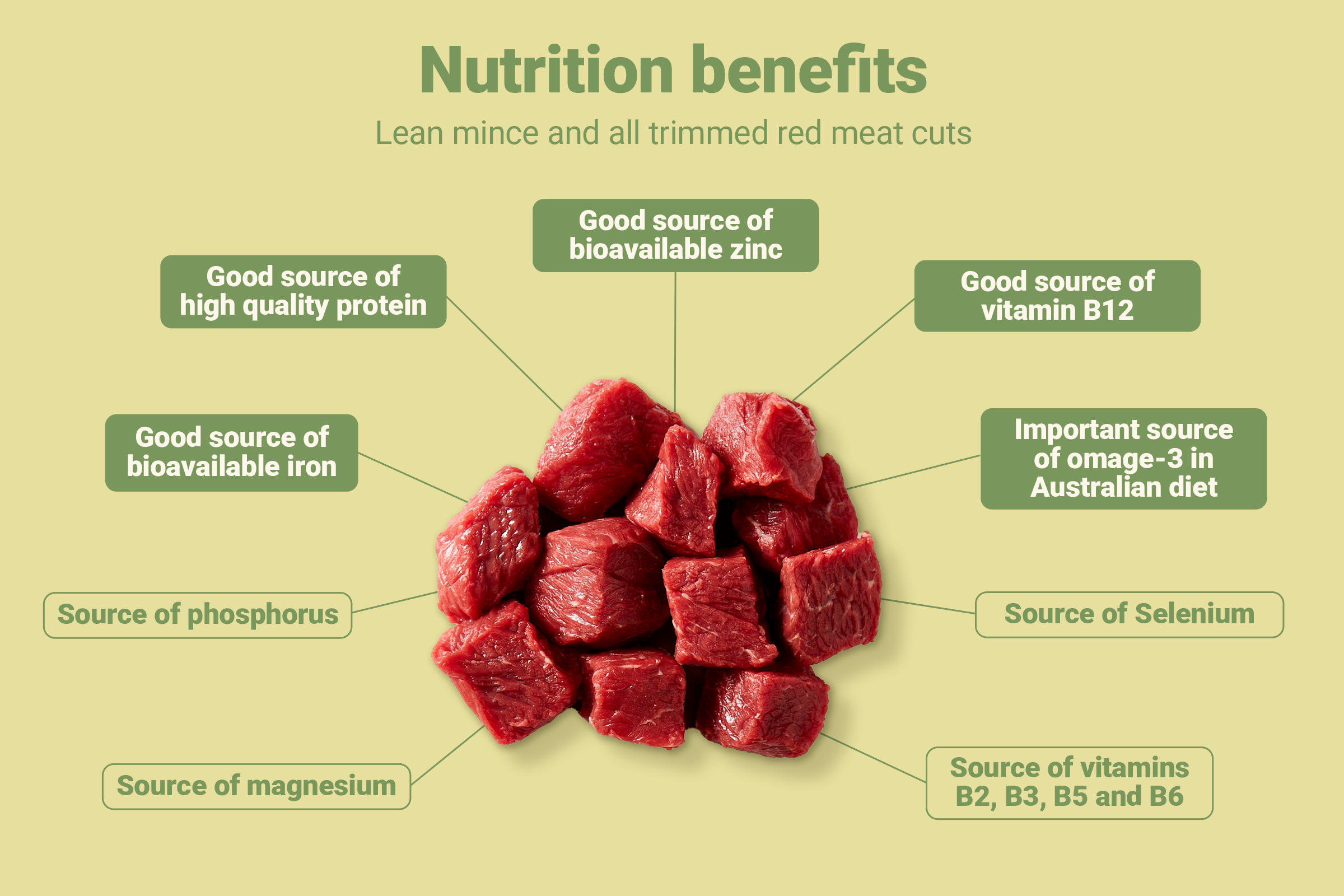
One of the main reasons red meat continues to be consumed worldwide is its impressive nutritional density. It provides complete protein containing all essential amino acids necessary for muscle repair and overall growth. In addition, it supplies key micronutrients such as iron, zinc, and vitamin B12, which support oxygen transport, immune function, and neurological health. For populations with limited access to diverse food sources, these nutrients can be particularly important. However, balance remains essential, as nutrition science increasingly emphasizes moderation and variety within a healthy eating pattern.
Role in Traditional and Cultural Cuisines
Across cultures, red meat holds a special place in festive meals and everyday cooking alike. In many regions, it is reserved for celebrations, religious rituals, or communal gatherings, reinforcing social bonds through shared meals. Dishes slow-cooked over open flames, seasoned with regional spices, or preserved through drying and curing techniques reflect centuries of culinary wisdom. These traditions not only preserve flavors but also tell stories of migration, trade, and adaptation. Even as modern diets evolve, cultural connections to meat-based dishes continue to influence how people eat and celebrate.
Historical Evolution of Consumption Patterns
Historically, meat consumption was closely tied to geography, climate, and socioeconomic status. In agrarian societies, livestock represented wealth and security, while hunting provided a supplementary food source. Over time, industrialization transformed access, making meat more widely available through improved farming and distribution systems. As availability increased, so did consumption, especially in urban settings. This shift laid the groundwork for contemporary discussions about dietary balance and resource use, showing how history continues to shape modern food choices.
Health Perspectives and Ongoing Debates
The role of red meat in human health has been the subject of extensive research and debate. On one hand, its nutrient content supports muscle mass, energy levels, and cognitive function. On the other hand, concerns have emerged regarding excessive intake and its potential association with certain chronic conditions. These discussions highlight the importance of portion control, cooking methods, and overall dietary patterns rather than focusing on single foods in isolation. Health recommendations increasingly stress personalization, recognizing that individual needs vary based on age, activity level, and metabolic health.
Global Production and Economic Importance
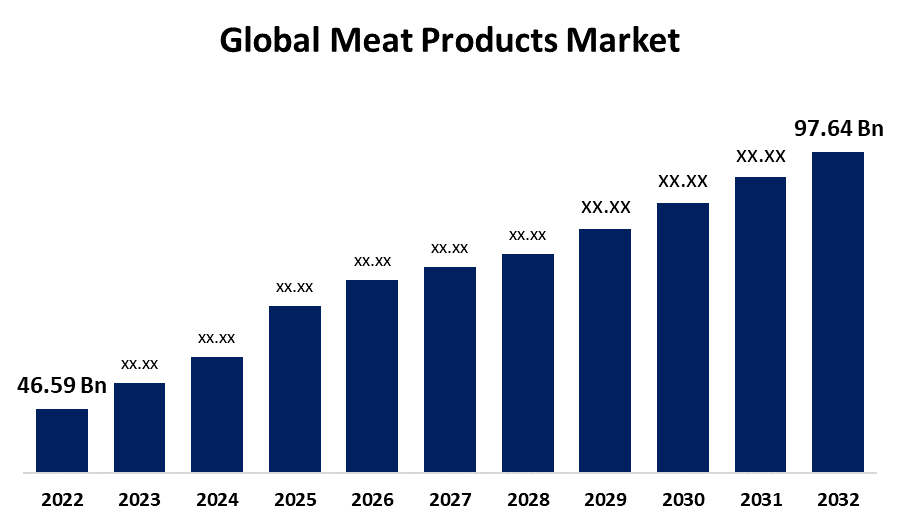
The production of red meat represents a significant segment of the global agricultural economy. Livestock farming supports millions of livelihoods, from small-scale farmers to large processing industries. Beyond direct employment, it contributes to related sectors such as feed production, transportation, and food service. In many developing regions, livestock ownership provides financial stability and food security. At the same time, global trade has connected producers and consumers across borders, influencing prices, availability, and dietary habits worldwide.
Cooking Techniques and Flavor Development
Culinary methods play a crucial role in shaping the experience of red meat. Techniques such as grilling, braising, and roasting are chosen not only for convenience but also for their ability to enhance tenderness and flavor. Slow cooking allows connective tissues to break down, creating rich textures, while high-heat methods develop complex aromas through browning reactions. Seasoning traditions vary widely, from simple salt-based approaches to elaborate spice blends, each reflecting local tastes and historical influences. Mastery of these techniques often defines regional culinary identities.
Environmental and Sustainability Considerations
The environmental footprint of red meat production has become a key topic in sustainability discussions. Livestock farming requires land, water, and feed resources, leading to concerns about deforestation, greenhouse gas emissions, and biodiversity loss. In response, producers and researchers are exploring more efficient practices, improved feed formulations, and regenerative farming models. Consumers are also becoming more aware of sourcing and production methods, influencing demand for responsibly raised products. These efforts aim to balance nutritional needs with environmental stewardship.
Ethical Dimensions and Consumer Awareness
Ethical considerations surrounding animal welfare have gained prominence alongside sustainability concerns. Advances in farming practices, transparency in supply chains, and certification systems have allowed consumers to make more informed choices. For many people, decisions about consuming red meat now involve weighing personal values alongside taste and nutrition. This growing awareness reflects a broader shift toward mindful eating, where the origins and impacts of food matter as much as its flavor.
The Place of Meat in Modern Diets

In contemporary nutrition, red meat is often positioned within a broader framework of balanced eating. Rather than being consumed daily in large quantities, it is increasingly viewed as one component among many protein sources. This approach encourages dietary diversity, incorporating plant-based foods, seafood, and poultry alongside traditional meats. Such patterns aim to deliver nutritional benefits while aligning with health and environmental goals, illustrating how dietary guidelines continue to evolve.
Future Trends and Innovations
Looking ahead, the future of red meat will likely be shaped by innovation and adaptation. Advances in breeding, feed efficiency, and alternative proteins are already influencing the market. At the same time, culinary creativity continues to reinvent traditional dishes, keeping cultural heritage alive while meeting modern expectations. As science, technology, and consumer values intersect, meat consumption patterns will continue to change, reflecting the dynamic relationship between food, society, and the planet.
Conclusion
The story of meat consumption is complex, woven from threads of history, nutrition, culture, economy, and ethics. From its role in early human survival to its place in modern dietary debates, red meat remains a powerful symbol of how food connects people across time and geography. Understanding its many dimensions allows for more informed choices, encouraging balance, respect for tradition, and consideration for future generations.
Read More:- Chili Recipe Guide for Rich Flavor Comfort Food Lovers