

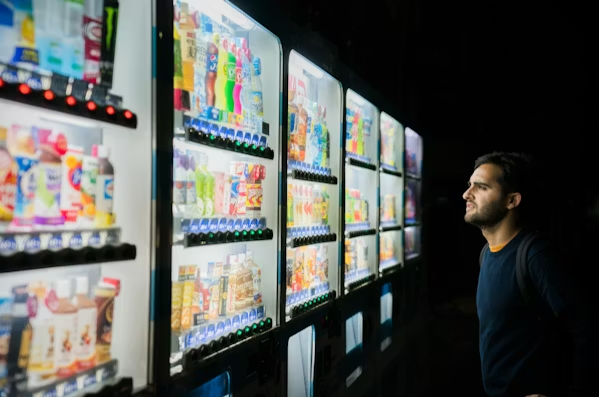

In modern commercial environments, choosing a vending machine partner is a strategic decision that directly influences revenue stability, operational efficiency, and long term scalability of your investment model.
Understanding Your Vending Machine Goals
Before selecting a vending machine partner, it is essential to define what you expect from the business relationship. Some investors prioritize high traffic locations while others focus on niche environments with stable but lower volume.
Clarifying whether your goal is income diversification full passive income or business expansion helps narrow suitable partners. You should also assess your risk tolerance maintenance expectations and desired level of involvement in day to day operations.
A clear understanding of your financial targets and time commitment will prevent misalignment later. It is also important to consider product selection strategy as different vending operators specialize in snacks beverages or specialty items.
Aligning your goals with the operator’s strengths ensures long term efficiency and profitability in the partnership. Careful planning at the outset reduces operational friction and improves decision making throughout the partnership lifecycle process going forward.
Evaluating Vending Machine Partners
A reliable partner should demonstrate consistent operational track record location acquisition capabilities and responsiveness to technical issues. It is also important to examine the diversity of their existing portfolio as this indicates adaptability across different consumer environments.
Transparency in reporting sales data and revenue distribution is another critical factor ensuring trust and accountability. You should also consider the technology systems they use for inventory tracking and remote monitoring as these tools directly affect efficiency.
Additionally reviewing client testimonials and long term partnerships can provide insight into reliability and service quality. A strong partner will balance operational expertise with strategic placement knowledge creating a stable foundation for shared profitability.
Financial and Contractual Considerations
Financial and contractual considerations determine the long term viability of any vending machine partnership. Key elements include revenue sharing models upfront investment requirements and ongoing maintenance costs.
A clear understanding of profit splits ensures both parties remain aligned in expectations and performance incentives. Contracts should define responsibilities regarding machine servicing restocking frequency and damage liabilities.
It is also essential to evaluate termination clauses and renewal conditions to avoid future disputes. Hidden fees or ambiguous cost structures can significantly reduce profitability making transparency a critical requirement.
Additionally assessing projected return on investment helps determine whether the partnership meets your financial objectives. Strong agreements balance risk and reward while providing flexibility to adapt to changing market conditions over time.
Operational Support and Scalability
Operational support and scalability are critical in determining whether a vending machine partner can sustain growth over time.
Effective partners provide regular maintenance rapid response to breakdowns and efficient restocking systems that minimize downtime. Scalability depends on their ability to expand machine networks into new locations without compromising service quality.
A strong operational framework includes real time monitoring of inventory levels and performance metrics allowing proactive management of supply chains. Training and communication processes also play a key role in ensuring smooth collaboration between stakeholders.
As demand increases the partner should demonstrate capacity to integrate new technology and optimize logistics. Ultimately the strength of operational support defines the resilience and long term profitability of the vending machine venture.
Continuous Managment
Continuous improvement ensures sustained efficiency and business growth outcomes over time Maintaining consistent communication between investor and operator helps prevent operational misunderstandings and ensures alignment on performance expectations.
Regular performance reviews and data driven decision making support long term stability and allow both parties to adjust strategy in response to market changes.
Strong partnerships thrive when accountability transparency and shared incentives guide every operational and financial decision consistently over time moving forward always