


Introduction
Cashew cream is now one of the most popular dairy-free products in modern kitchens. This is especially true for individuals who like to cook with plants or wish to be able to use cream in other ways than usual. It has a smooth texture, a light nutty flavor, and it can be used in both sweet and savory dishes without any problems. This ingredient gives richness naturally, without the need for artificial thickeners or chemicals. This is different from many replacements that try to replicate dairy but don’t quite get the texture or taste right. This creamy base has become a trustworthy and flexible choice as amateur cooks and professional chefs try more plant-based recipes.
What Is Cream of Cashew
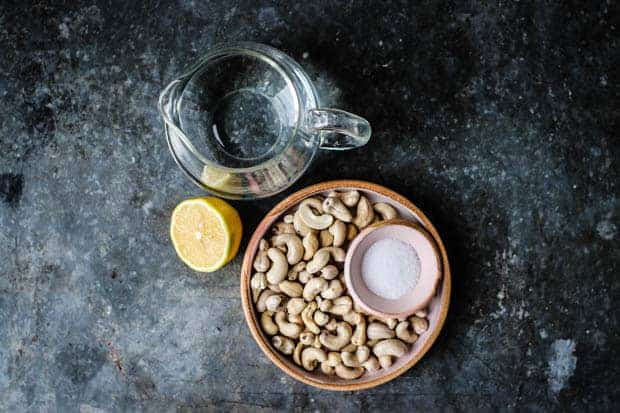
The main ingredients in cashew cream are raw cashews and water. When you soak and prepare cashews, they let off natural lipids and starches that make a smooth texture like heavy cream. You don’t have to roast the nuts to get this effect, which makes it easy to make and keeps the nut’s original taste. The finished product is a neutral, creamy base that can be made sweeter, thicker, or spicier depending on what you want to do with it. Cashews are softer than most other nuts, so they mix well and don’t leave a gritty texture when cooked appropriately.
How Cashew Cream Has Grown in Popularity in Cooking
It took a while for cashew cream to become popular. It grew as more people learned about plant-based diets, lactose intolerance, and whole-food ingredients. A lot of individuals found that they could use anything other than dairy cream in sauces, soups, and desserts without changing the taste or texture. Recipe blogs and social media were particularly important in showing how this item could be used to make everything from pasta sauces to cheesecake fillings. Over time, it stopped being thought of as a specialty vegan dish and became a common pantry item for cooks of all kinds.
Nutritional Profile and Natural Makeup
Cashews have a lot of healthful fats in them, especially monounsaturated fats that are good for your heart. They also provide minerals like magnesium, copper, and zinc that are important for making energy and keeping the immune system healthy. These nutrients stay intact when transformed into cashew cream, making it a healthier choice than extensively processed cream replacements. Because it has a lot of fat, it has a lot of calories, but it also fills you up, which is why recipes generally call for smaller portions. This balance makes it appealing to people who care about both taste and nutrition.
What Makes Cashew Cream Different from Dairy Cream
One of the biggest distinctions between cashew cream and dairy cream is how they act when you heat them up. Dairy cream can curdle in some situations, but this nut-based variant stays stable in many culinary situations. It doesn’t have any cholesterol or lactose, so it’s good for folks who can’t eat those things. It has a light nutty flavor that normally isn’t strong enough to stand out in recipes. A big reason many choose this as a direct replacement for regular cream is that it can be used in many different ways.
Basic Ways to Get Ready
To make cashew cream at home, you usually soak raw cashews in water to soften them, then combine them with fresh water until they are smooth. Depending on the tools you have and the texture you want, the soaking time can change, but the goal is always a silky texture. Some people like to soak overnight, while others utilize hot water to get the job done faster. You can add more water to the mixture to make it pourable or less water to make it thick and spreadable cream. Because it is flexible, you can change it to fit different recipes.
Controlling Texture and Consistency
One of the best things about cashew cream is how easy it is to change the texture. You can use a thicker version as a base for dips, spreads, or dessert fillings, while a thinner version is great for soups, curries, or salad dressings. Cooks may make a wide range of consistencies without adding stabilizers by changing the amount of nuts and water. This control makes it very useful in professional kitchens where accuracy is important.
Customizing and Adding Flavor

Cashew cream has a neutral flavor, so it can take on any flavor you want. Adding garlic, herbs, spices, or nutritional yeast to savory versions can make rich sauces and dips. For desserts, you can mix sweet versions with vanilla, chocolate, or natural sweeteners. Because it can change, it can blend in with a wide range of foods, from creamy pasta sauces to spicy Indian gravies. One of the best things about it is that it can uniformly absorb tastes.
Savory Dishes with Cashew Cream
Savory cooks typically use cashew cream to make soups, stews, and sauces richer. Without adding flour or dairy, it can make vegetable soups thicker and give pasta meals rich textures. Many cooks use it instead of cream in curries because it goes well with spices without hiding them. People also like it in dairy-free cheese sauces because it makes a smooth base that melts easily when cooked. These uses show how well it works instead of regular cream.
Sweet Recipes Using Cashew Cream
The creamy texture of cashew cream is also good for sweet foods. People often use it in vegan cheesecakes, puddings, and ice cream bases. When mixed with chocolate or fruit, it makes a thick mouthfeel that is as good as desserts made with dairy. It is inherently mild, so it lets sweet tastes shine through while giving body and creaminess. This makes it especially handy for sweets that don’t need to be baked but need to be mixed.
What Role Does It Play in Plant-Based and Vegan Diets?
Cashew cream is a key element for people who eat plant-based or vegan diets. In some recipes, it can take the place of cream, sour cream, cheese spreads, and even mayonnaise. Because it can be used in so many ways, you don’t need to buy as many specific items, which makes shopping and planning meals easier. As a whole-food choice, it fits very nicely with diets that focus on complete, unprocessed foods while yet being comforting and indulgent.
Things to think About when it Comes to Digestibility and Diet
Many people find it simpler to digest cashew cream than dairy cream, especially those who can’t handle lactose. It doesn’t have any milk proteins or lactose in it that could make you sick. But it is still made with nuts, so anyone who are allergic to nuts should stay away from it. It fits well into balanced diets and can be enjoyed by people with a wide range of dietary needs when eaten in moderation.
How to Store and How Long It Lasts
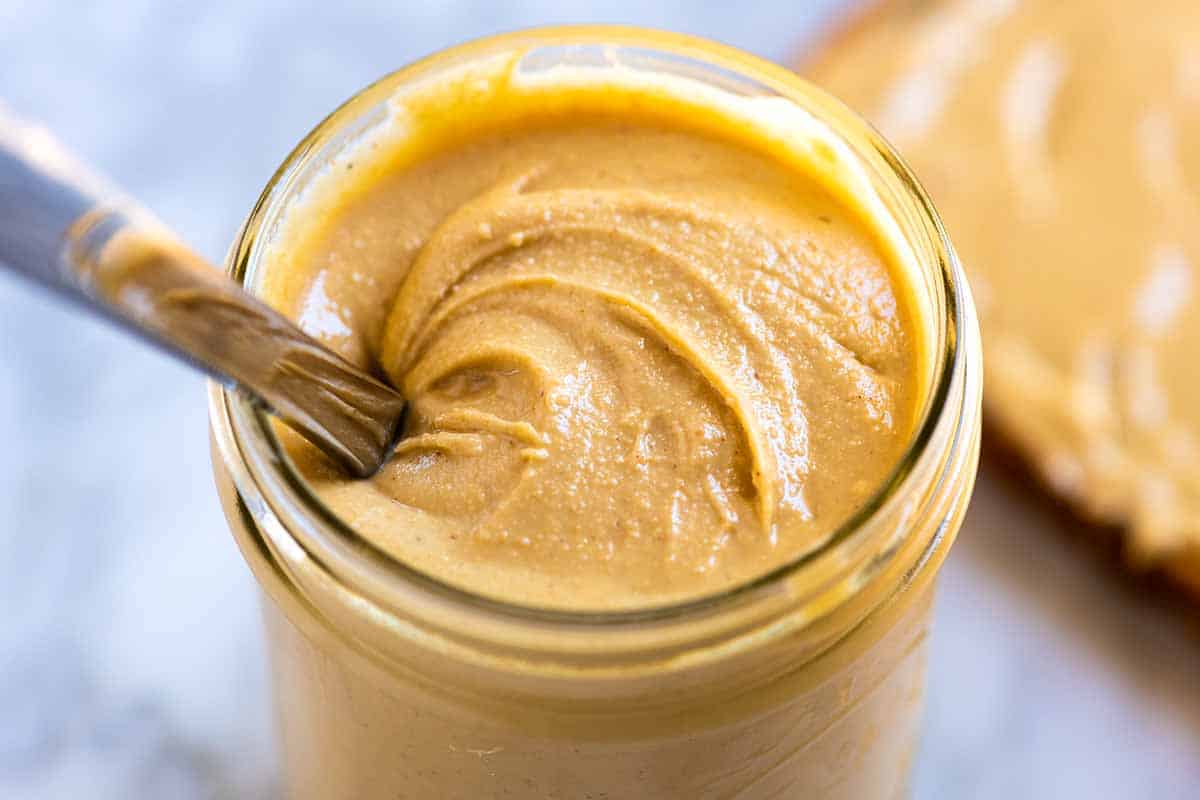
Put freshly produced cashew cream in an airtight container in the fridge to keep it fresh. It usually keeps fresh for a few days, although this depends on how it was made and how clean it is. It might get a little thicker over time, but you can fix this by adding a little water and whisking it in. You may also freeze it, however the texture may vary a little as it thaws. If you store it correctly, it will stay safe and pleasant to use for many meals.
How to Avoid Common Mistakes
One mistake people make when preparing cashew cream is not mixing it enough, which can make it gritty. A high-speed blender and thoroughly soaked cashews help make things smooth. Using too much water too quickly might also be a problem because it can make it too thin. You can better control consistency by making little changes over time. If you pay attention to these factors, you’ll always get a creamy result.
How Cashew Cream Compares to Other Nut Creams

Almond and coconut creams are also popular, but cashew cream is special because it has a good balance of taste and texture. Almond-based variants can be a little grainy, while coconut cream has a strong flavor that might not work with all recipes. Cashews have a neutral taste and a smooth texture in the tongue, which makes them more useful in recipes. A lot of cooks use cashews as the main ingredient in creamy plant-based sauces because of this comparison.
Uses in Different Cultures and Around the World
Cashews have been used to make rich sauces and pastes in many different types of food. Ground cashews give bulk and flavor to gravies and curries in a lot of traditional meals. Modern cashew cream takes these old recipes and makes them work with modern culinary approaches. Its worldwide appeal comes from its ability to combine old-fashioned methods with new nutritional needs.
Health Benefits When Used Carefully
Cashew cream can add good nutrients to meals when eaten in moderation. The good fats help you feel full, and the minerals help you stay healthy overall. It also helps people eat less saturated fats, which are found in dairy cream. It fits well with balanced, mindful eating patterns, but you shouldn’t eat too much of it because it has a lot of calories.
A Look at Sustainability and the Environment
From an environmental point of view, creams made from plants usually have less of an effect than creams made from milk. Growing cashews takes less work than producing dairy cows, and using them helps us toward more sustainable food systems. Choosing cashew cream can help you eat rich, fulfilling foods while also helping the earth.
How to Buy Good Cashews
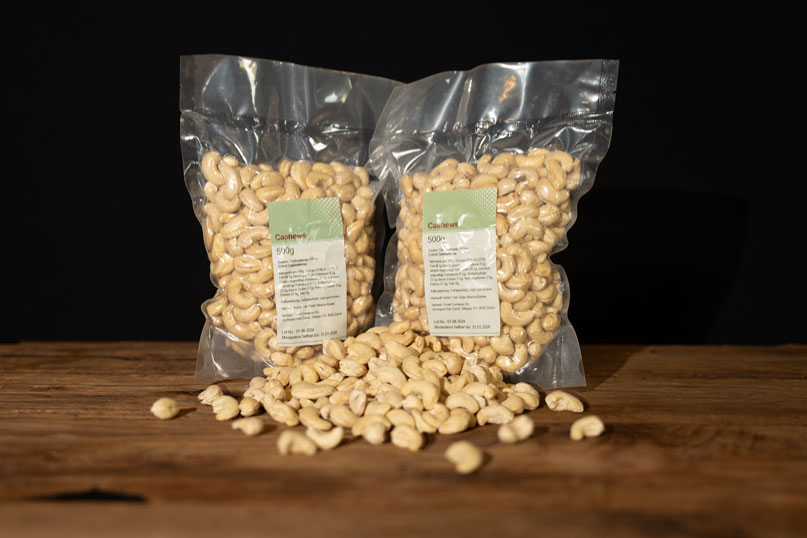
The nuts used to make cashew cream are what make it good. Raw, unsalted cashews are the best since you can control the flavor completely. Freshness is important because older nuts can taste bad. Properly storing cashews before using them also helps keep their natural flavor and nutrition.
Why Cashew Cream Is Still a Must-Have in the Kitchen
Cashew cream will always be popular because it is simple, versatile, and dependable. It turns simple ingredients into rich, cozy meals without using dairy. It gives you both stability and originality, whether you’re cooking for a special occasion or just for dinner. This ingredient keeps proving its worth as more individuals try out different ways of cooking.
Conclusion
Cashew cream is not merely a substitute for dairy. It is a flexible ingredient that connects flavor, nutrition, and innovation in the kitchen. It has a smooth and pleasing texture that works with a wide range of dishes, which is why it is a staple in modern cooking. Cashew cream continues to inspire cooks who seek both comfort and healthy choices in their meals, whether they use it in savory sauces or rich desserts.
Read More:- Delicious Cashew Chicken Recipes and Tips for Every Home Cook