


Introduction
For hundreds of years, people have eaten mutton because it tastes great, is good for you, and has cultural meaning. This meat comes from mature sheep and is very different from lamb in both taste and texture. It has a deeper, stronger flavor that many cuisines around the world love. In some places, it is a delicacy for celebrations and is often made for weddings, festivals, and family reunions. It absorbs spices and flavors from slow-cooked dishes well, which makes it a popular choice for traditional recipes that call for patience and talent in the kitchen.
In addition to its taste, this meat is also important for the economy in agricultural countries where raising sheep is a way to make a living. You can cook this ingredient in a lot of different ways, like slow braises, curries, roasted, and grilled dishes. Knowing where it comes from, how it is made, and how healthy it is will help you understand why it is still useful in modern kitchens even though dietary trends change.
What Mutton Is and How to Tell

The word specifically refers to meat from mature sheep, which are usually more than a year old. This age difference is very important for its taste and texture. As sheep get older, their muscular fibers are stronger and their fat smells greater. This makes the meat thicker and more flavorful than lamb. This quality makes it perfect for extended cooking methods that let connective tissues break down slowly.
The word is used differently in different parts of the world because of local customs. People in South Asia often use the same word for goat meat, even though it is not the same as sheep meat. This difference in language has changed how people cook, how they use spices, and what they expect from food. No matter what the definition is, the unifying thread is a hearty, filling meat that is the main ingredient in many traditional meals.
Health and Nutritional Value
Mutton is full of important nutrients, including high-quality protein that helps muscles grow and heal. It has a lot of iron, which helps carry oxygen in the blood and keeps you from getting tired. Zinc helps the immune system work better, and B vitamins help the body use energy and keep the nervous system healthy.
But it also has more saturated fat than certain other meats, so you should eat it in moderation. It can be good for your overall nutrition if you eat it as part of a balanced diet. You may eat less fat without losing its health benefits by choosing lean cuts and using cleaner cooking methods.
The Table Below Shows the Estimated Nutritional Value of 100 Grams of Cooked Meat
| Nutrient | Approximate Amount |
|---|---|
| Protein | 25 g |
| Fat | 21 g |
| Iron | 2.3 mg |
| Zinc | 4.0 mg |
| Vitamin B12 | 2.6 µg |
Cultural Importance in Different Areas
In a lot of civilizations, this meat stands for welcome and plenty. It is often the main ingredient in Middle Eastern stews and rice meals that are cooked slowly. South Asian cuisine honors it with complex curries that incorporate fragrant spices, yogurt, and slow cooking methods. In European cooking, roasting brings out the natural flavor of the food with little seasoning.
When people celebrate, they often make foods that take a long time to cook, which shows that they care about their guests. Sharing a meal that features this ingredient typically brings families closer together and keeps culinary traditions alive. These traditions are passed down from generation to generation, so recipes are more than just instructions; they are stories of who you are and where you belong.
Common Cuts and What They Are Used For in Cooking

Different cuts have different textures and flavors, which affects how they should be cooked. Shoulder and leg portions are often utilized for slow cooking because they include connective tissue that breaks down into delicate, tasty meat when cooked slowly. People love to roast and grill rib pieces because they have a good mix of meat and fat.
Neck and shank slices are typically used in soups and stews to add flavor and depth to the broth. Cooks may choose the best cut for each recipe by knowing these differences. This makes sure that the food tastes and feels the best. Choosing the right cuts of meat and slaughtering them correctly are very important steps in making a great dinner.
Old-Fashioned Ways of Cooking
Slow cooking is still the most favored approach since it lets flavors develop fully and makes strong muscle fibers softer. A lot of people utilize braising, stewing, and pressure cooking, but each one gives a somewhat different result. Braising uses both dry and moist heat to make foods with thick gravies and strong flavors. Stewing is when you put meat in liquid, which makes meals that are warm and filling.
Roasting is another popular method, especially in Western cuisines. The meat’s natural flavor is the main focus, therefore not much spice is used. Before cooking, marinating helps make the food more tender and adds spices, which is especially useful for cooking methods that take less time.
Spices and Flavor Combinations
This meat is really strong, therefore it goes well with strong herbs and spices. People often use garlic, ginger, cumin, coriander, and black pepper to bring out its depth. Fresh herbs like rosemary and thyme provide aroma, while acidic foods like yogurt or tomatoes assist make the flavor more soft and vibrant.
Different regions have different spice combinations, which give each food its own flavor. The careful blend of spices keeps the natural flavor strong without being too strong. This balance between the meat and the seasoning is what makes great cooking.
New Ideas in Cooking Today
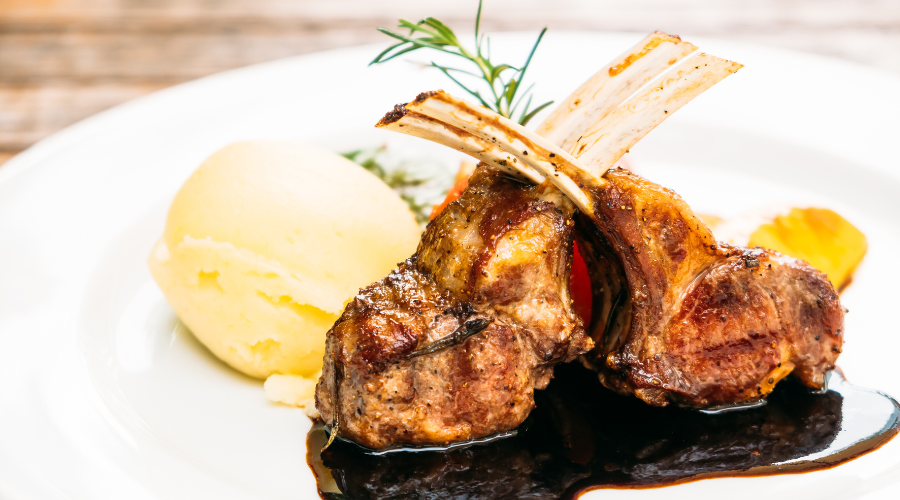
Modern chefs are trying out new ways to cook and serve food, making old recipes taste better for modern tastes. Sous-vide cooking lets you control the temperature very precisely, which makes the meat soft and evenly cooked. Fusion cuisine mixes flavors from throughout the world and adds surprising additions while still keeping the meat’s essence.
Changes that are good for your health focus on lowering the amount of fat and adding fresh veggies and nutritious grains. These new ideas show how traditional ingredients can change while yet keeping their cultural roots.
Best Practices for Storing and Handling
To keep things fresh and secure, they need to be stored correctly. Refrigeration at the right temperatures slows down the growth of microorganisms, and freezing makes food last longer without losing much quality. Wrapping securely before freezing keeps the flavor and prevents freezer burn.
To keep the texture and avoid contamination, thawing should be done slowly in the fridge. If you handle the meat with good cleanliness, it will stay safe to eat and stay fresh from the time you buy it until you cook it.
Importance for the Economy and Agriculture
In many places, sheep farming helps the economics of rural areas. Because people want this meat, there are jobs in farming, processing, and distribution. To keep the economy growing while also protecting the environment, sustainable techniques like ethical livestock husbandry and responsible grazing are becoming more and more vital.
Consumers help make food systems more sustainable by buying from local farmers and choosing meat that comes from responsible sources. This link between farming and food shows how our food choices affect us in a bigger way.
Comparing to Other Meats
This meat has a deeper taste and more fat than chicken and fish, which makes it more filling and fulfilling. It has a different flavor profile than beef, which many people find to be more interesting. These changes affect how food is cooked, what spices are used, and how big the portions are.
The table below shows how it compares to other meats that people eat a lot in terms of important traits.
| Meat Type | Flavor Intensity | Typical Cooking Time | Fat Content |
|---|---|---|---|
| Poultry | Mild | Short | Low |
| Beef | Medium to High | Medium to Long | Medium |
| Mutton | High | Long | High |
Role in Cooking for Holidays and Every Day
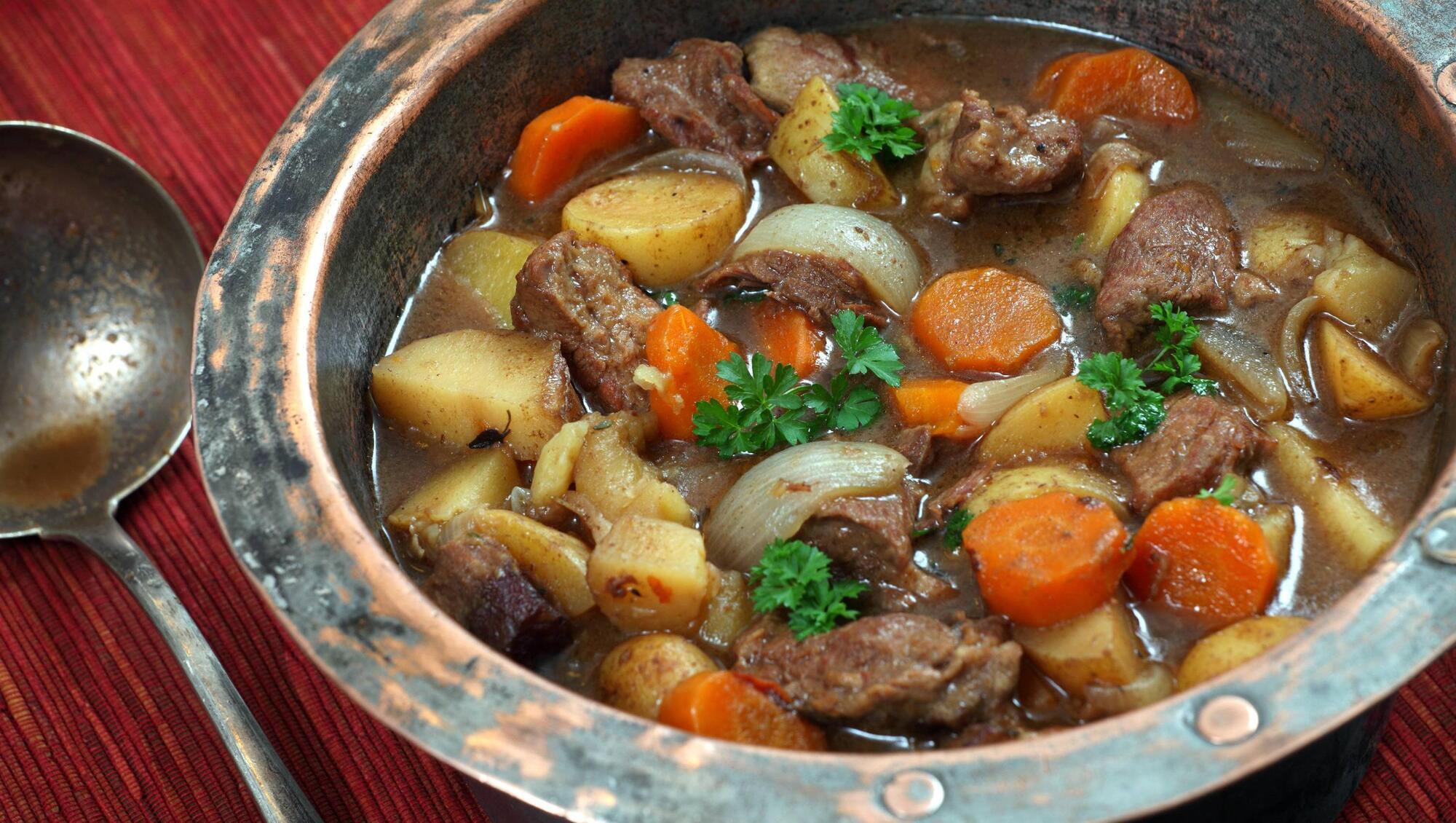
It is commonly linked to festivals, but many families also eat it every day. It’s easy to make and eat on a regular basis because it only needs simple spices and a long simmer. Festive versions are usually more complicated, with layers of tastes and longer cooking times.
This dual duty shows how flexible and adaptable it is, making it great for both big events and quiet family dinners.
Taking the Environment into Account
There are both good and bad effects on the environment from raising sheep. When done correctly, grazing can help with land management, but too much grazing can hurt the soil. Improvements in sustainable agricultural methods attempt to lower environmental footprints while keeping productivity high.
More and more, consumers want to know where their food comes from, which is pushing farmers to use more environmentally friendly practices. Knowing about these things helps people make better choices about what to eat.
The World Loves Mutton
Even though tastes vary from place to place, more and more people around the world are enjoying this meat. Migration and cultural interchange have brought traditional dishes to new people, which has made them more popular. Both restaurants and home cooks try out different ways of making food, keeping traditions alive while also trying new things.
This worldwide appeal is due to its timelessness and ability to change with the times.
In conclusion
Mutton is still a very important food in many countries since it tastes great, is good for you, and can be used in many different ways. It still inspires cooks all across the world, from traditional slow-cooked meals to new ideas. Knowing where it comes from, how it’s chopped, how it’s cooked, and how important it is to different cultures might help you enjoy it more and eat it more mindfully. As cooking traditions change, this meat shows how food, culture, and community are still linked.
Read More:- Crack Chicken Dip Guide: Creamy Flavor, Uses, History & Tips